
Why the prompt runs out
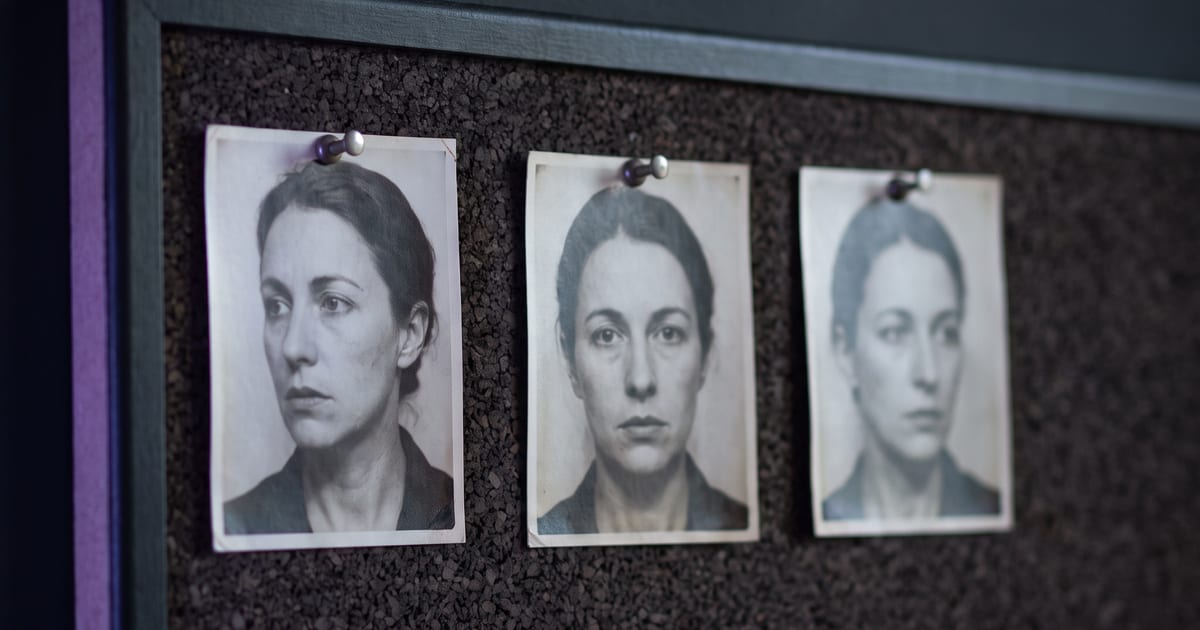
Describe a person in forty words and run it twice, and you get two people who could be related. That is not a failure of the description; it is what a description is. Nothing in the sentence pins down the distance between the eyes.
A reference does. You hand the model the subject as a picture instead of as words, and it carries the identity across into the shot.
How many, and of what
The reference ingresses take more than images. Several take clips and audio in the same call: images for the subject, a clip for the motion or the style, audio for a voice to work to.
The ceilings differ per model and they come from the maker, not from us. One model takes nine images, three clips and three audio fragments; another takes ten images and five of each. The studio shows the real number for the model you have selected, and refuses a tenth image on a model that stops at nine rather than sending it and paying for the refusal.
Reference images are often billed separately from the clip. One model includes the first five and charges per image after that; another charges a couple of cents for each one. That is on the button before you run it.
When a reference is not enough
References hold a subject across a handful of shots. If the same person has to come back next week, and the week after, in work you have not thought of yet, that is a different tool: a style you train once and reuse.
The dividing line is roughly how often. For a campaign, references. For a recurring character, train it.
Read next
 A character that keeps coming backWhen a reference is not enough and a trained style is.
 A different person in the same videoKeep the footage, change who is in it.
 Your own trained styleThe step past references, and when it pays off.
 MiniMax H3Takes images, clips and audio as references together.
 From an idea to a clipThe four ways a video model can be started.
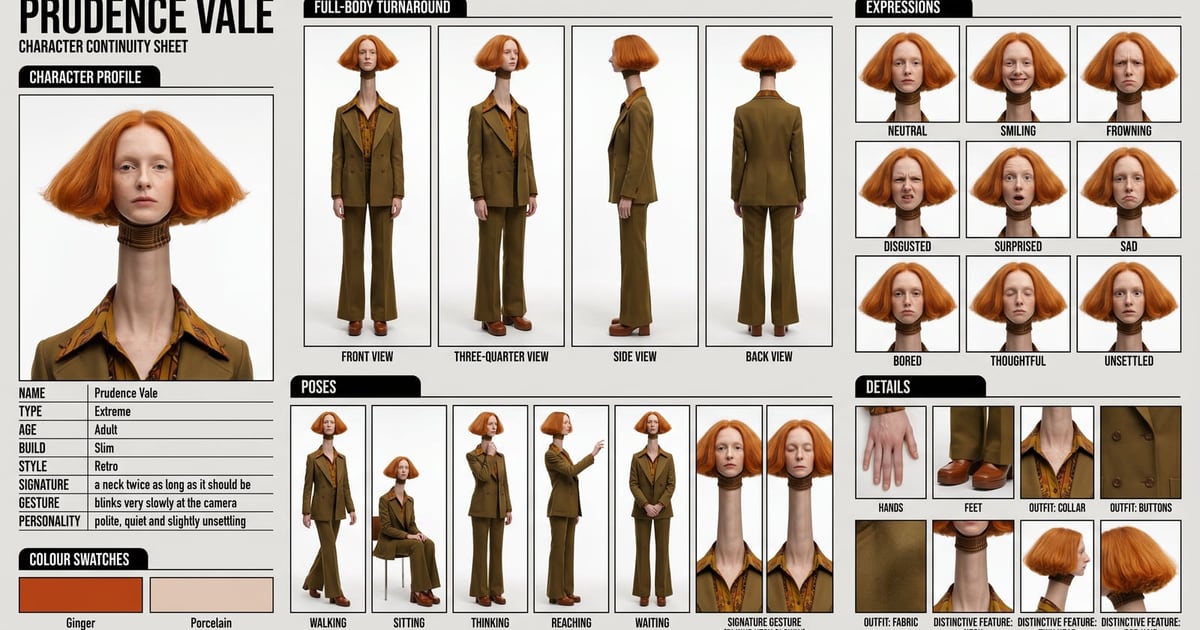 Build an AI influencerA saved character carries its references along, so you add them once.

Put this guide to work
Open the studio and try what you just read. You start with 1,000 free credits.
Get early access