

What UGC ads are
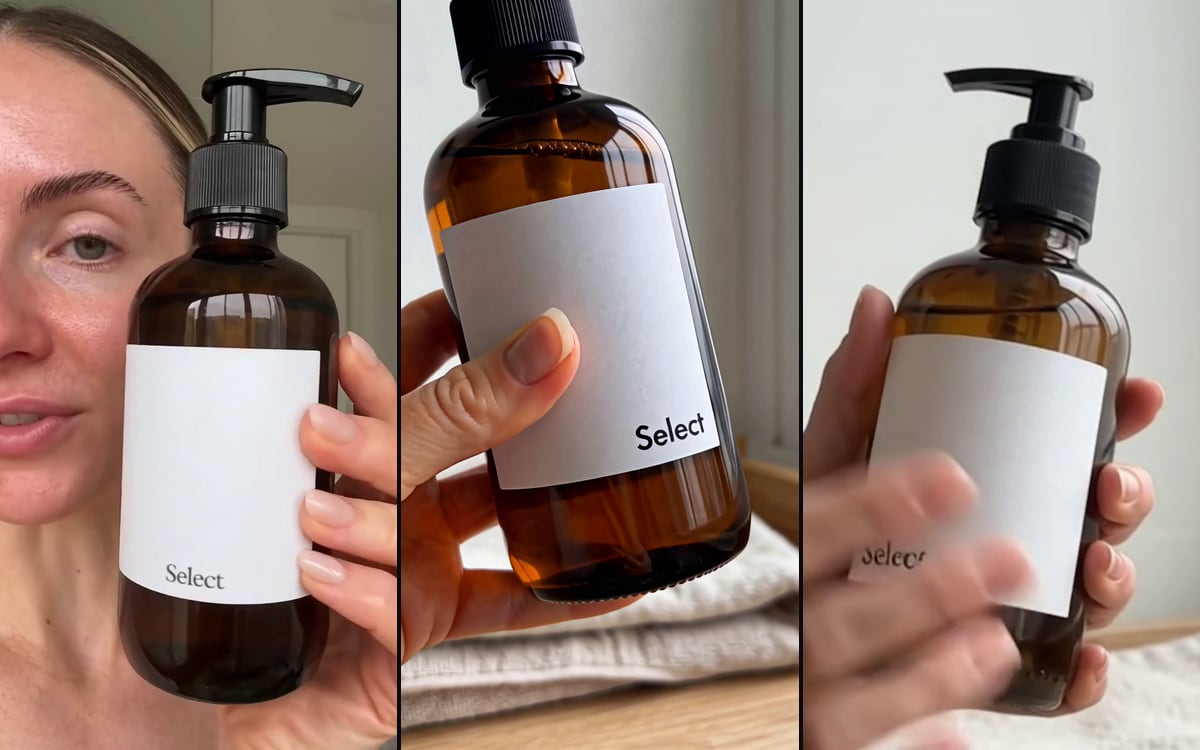
UGC stands for user-generated content. A UGC ad is an advert that looks like it was made by a customer rather than a brand: someone holding the product in their kitchen, talking straight into a phone camera, showing how they use it. No studio light, no logo animation, no voice-over from a narrator.
Brands use them because they look like the posts people already scroll past on social media. A polished commercial is recognised as an ad in half a second. A person talking about a product in their own words gets watched.
Why UGC ads work
They borrow trust. A face, a normal room and plain language feel like a recommendation from someone like you. They are also cheap to vary: the same product can be shown by different people, in different settings, with a different opening line, which is exactly what you need when you test ads on social platforms.
- They fit the feed: vertical, handheld, people talking.
- They show the product in use, not on a white background.
- They let you test many versions instead of betting on one.
What makes a good UGC ad
The best ones follow a simple pattern, in fifteen to thirty seconds.
- A hook in the first two seconds: a problem, a surprise or a strong claim the viewer recognises.
- The product in hand, used for what it is for.
- One clear benefit, said in normal words.
- A short ending: where to get it, or what to do next.
Making UGC ads with AI
Hiring creators for every version is slow and adds up. With AI you make the person, the setting and the clip yourself. Start from a real photo of your product so the product in the ad is the one people receive. Then put it in the hands of a character in a believable room, and animate the shot into a short vertical clip.
A character that speaks makes the biggest difference. In the studio a character can say its lines in its own voice, with the lips moving to the words, so the clip feels like someone talking to the camera rather than a silent animation with text on top.
Keep the same person across versions
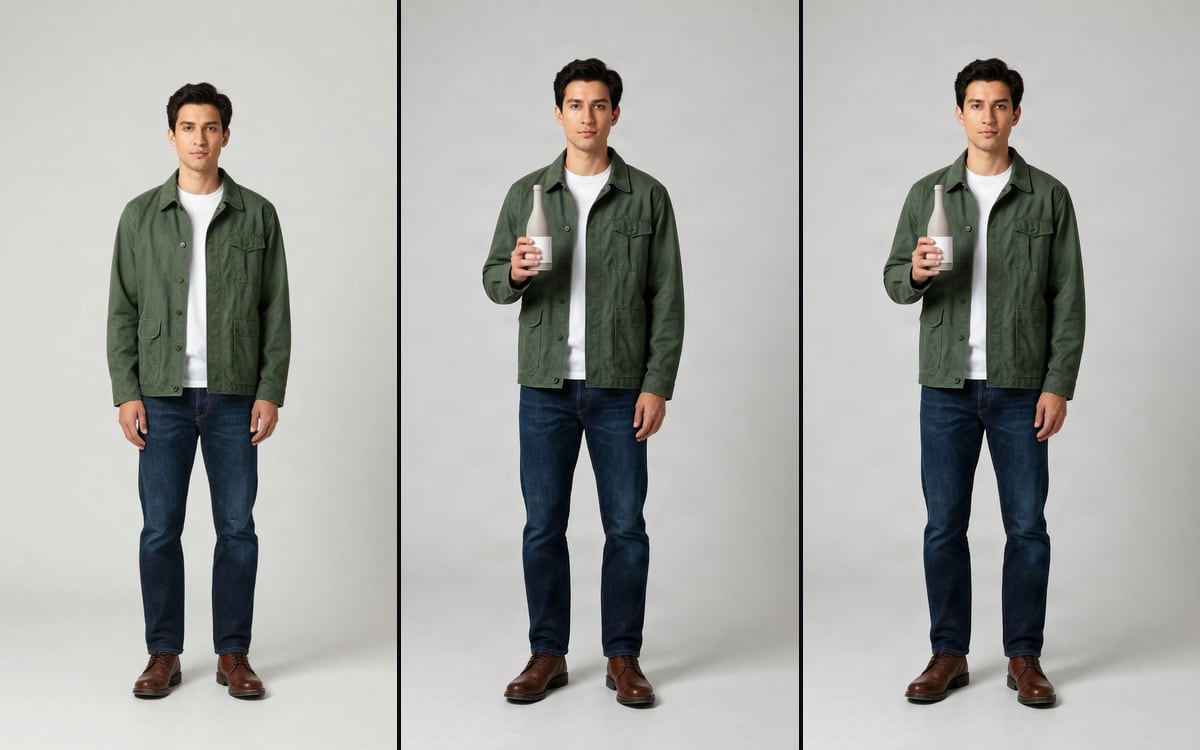
If every version shows a different face, you cannot tell whether the hook or the person made the difference. Make one character first and reuse it, so you test the message and not the face. When you do want a different audience, make a second character on purpose.
Write the script like a person talks
A UGC ad falls apart the moment the lines sound like a brochure. Write the script the way someone would tell a friend about the product: short sentences, one thing at a time, a small detail that makes it real. "I spill coffee on my desk every morning, this mat just wipes clean" works. "Our innovative surface technology delivers superior protection" does not.
Read the lines out loud before you use them. If you would not say it, the character should not either. Keep the whole script under seventy words for thirty seconds, so there is room for a pause and a smile.
Settings that look real
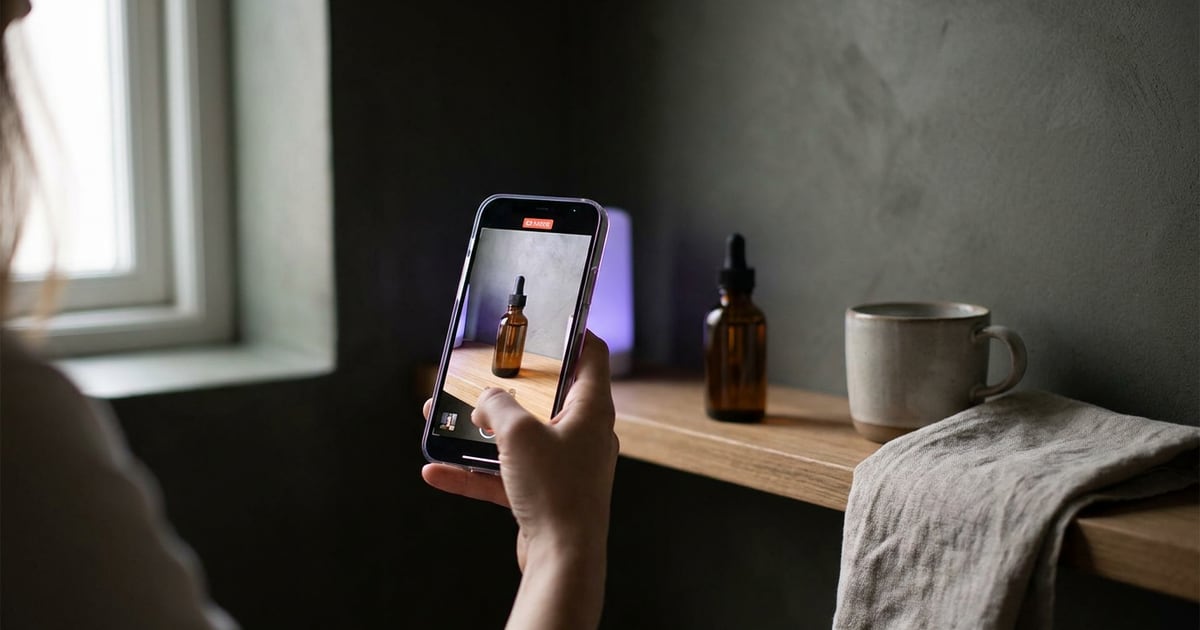
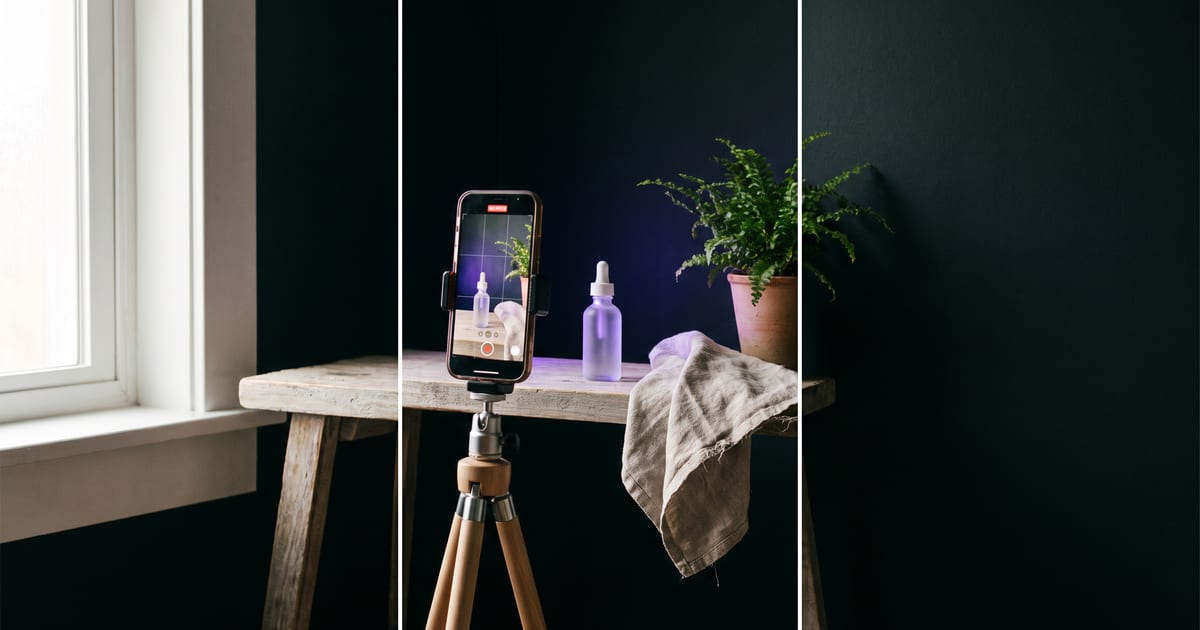
The room matters as much as the person. A kitchen counter with a few everyday things on it, a car seat, a desk by a window, a bathroom shelf. Avoid settings that look staged: a perfectly empty room or a product floating in light reads as an ad straight away. Describe the room the way it would look on a normal weekday, not on a photo shoot.
Be honest about what is generated
A UGC ad made with AI is still an ad. Do not present a generated person as a real customer who bought the product, and do not invent results or reviews. Follow the rules of the platform you advertise on, which ask you to label realistic generated content in some cases. Use the format for what it is good at: showing the product in use, in a way that feels natural.
Never use a generated character to give a testimonial about a result you have not measured.
Where to start
The product to UGC template takes a product photo and turns it into a short vertical clip with a person using it. Make three versions with a different opening line, run them, and keep the one that holds attention. Then build the next round on what you learned.
What the template does for you
In the Product to UGC template a prompt assistant reads your product photo, casts someone who would realistically own it, and writes the clip as if that person filmed it on their phone. The same prompt then runs on three video models, each starting from your photo, so you get three takes of one idea.
Change the short brief for each round: a different person, a different room, a different first line. The house rules for tone and length stay in the system prompt, so every round still sounds like your brand.

Questions
What does UGC stand for?
User-generated content: material that looks like it was made by customers rather than by the brand.
How long should a UGC ad be?
Fifteen to thirty seconds for most social platforms, with the hook in the first two seconds.
Can I use my own product photo?
Yes, and you should. Start from a real photo so the product in the ad matches what people receive.
Do I need to label AI UGC ads?
Often, yes. Check the rules of each platform; most ask you to disclose realistic generated content in ads.
Read next


Try it in the studio
Open the studio and try what you just read. You start with 1,000 free credits.
Get early access