
Clips that follow on
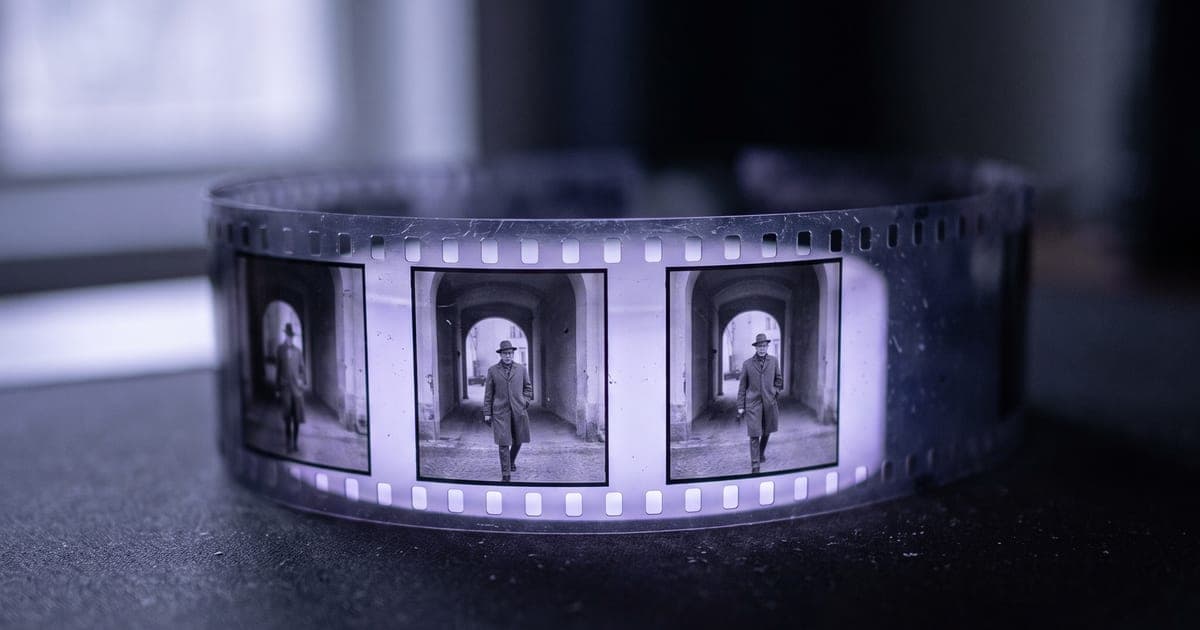
No model here makes a two-minute film. Several short clips that share their frames do.
1 min read · last checked
Length is the wrong lever
The obvious plan is to find the model with the longest limit and use all of it. That gets you one long shot, which is not the same as a film, and it is the most expensive way to discover an idea does not work.
The way that does work is several short shots that belong together. Each one is cheap enough to redo, and the joins are where the continuity is won or lost.
A shared frame is the join
The last frame of one shot becomes the first frame of the next. That is what makes two clips read as one sequence rather than two takes: the room, the light and the position carry over because they are literally the same picture.
It is not video-to-video. You are not feeding a clip into a model and asking it to continue; you are handing the next shot a still it has to start from, which every image-to-video ingress already understands.
This is also why the shots have to be planned before the first one runs. Deciding shot four exists after shot three is finished means shot three did not end where shot four needs to begin.
Let the assistant lay it out first
Ask for more than one clip and the assistant proposes a script: a sequence of shots with one shared style block, and the option to see it as stills before any video runs. Stills cost a fraction of clips, so the expensive part happens after you have agreed with the plan.
On the canvas the same shape is a template you keep. Swap the prompt and the reference, run it again for the next product.
Read next
Put this guide to work
The studio opens in stages. We let people in in the order they signed up, and you start with 1,000 free credits.
Get early access